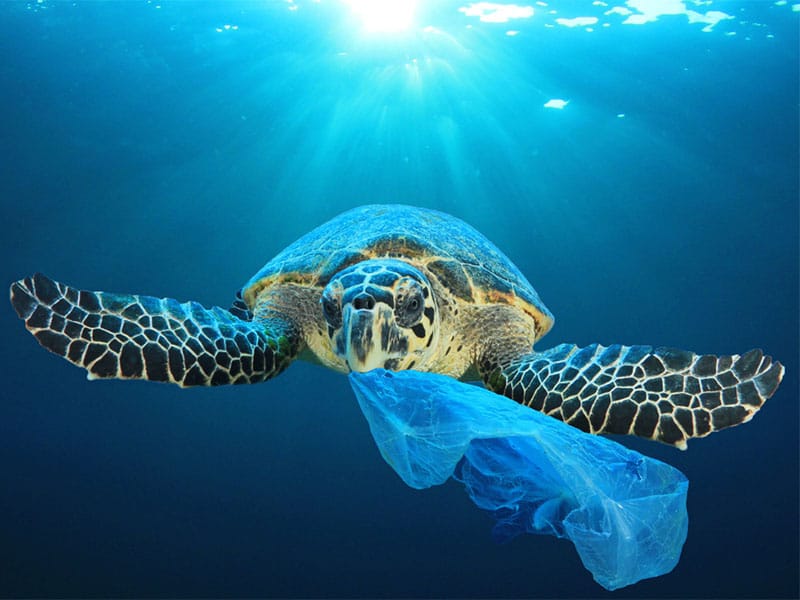

Image Source: Unsplash
As the world progresses, so do the threats that come with it. One of the major threats we face today is plastic pollution; a form of environmental degradation caused by plastic waste in our oceans. It has become one of the most pressing environmental issues of our time, with devastating effects on marine life and ecosystems. In this blog, we will uncover the staggering realities of plastic pollution and its impact on marine life, discuss its causes and effects, and explore solutions to reduce its impact.
What is plastic pollution?
Plastic pollution is the accumulation of plastic products and debris in the environment due to their improper disposal. It is a global problem that has become increasingly worse over the years, with plastic waste being found in all corners of the world. Plastic pollution has become so pervasive that it is now found in the deepest parts of the ocean, in the Arctic, and even in the Antarctic, where it was thought to be inaccessible.
Plastic pollution can come in the form of plastic bags, bottles, packaging, and other single-use items that are used in our everyday lives and then discarded. Unfortunately, most of these items are not biodegradable, and instead break down into tiny pieces, which are then eaten by marine animals and slowly poison them. This is why plastic pollution is a major threat to marine life and the global environment.
The impact of plastic pollution on marine life
The impact of plastic pollution on marine life is immense and far-reaching. From small fish and corals to large whales and sea turtles, plastic pollution has been linked to the decline of nearly all marine species. It is estimated that more than 1 million seabirds and 100,000 marine mammals are killed each year due to plastic pollution.
The effects of plastic pollution on marine life are varied and numerous. Plastic can get trapped in the digestive tracts of marine animals, leading to starvation and death. It can also entangle and suffocate animals, leading to injury and death. Additionally, plastic debris can also be mistaken as food by animals, leading to the ingestion of toxic chemicals and other pollutants. The ingestion of plastic also causes a decrease in the nutritional value of the animal’s food, leading to a decrease in their overall health and wellbeing.
Causes of plastic pollution in the ocean
The primary cause of plastic pollution in the ocean is the improper disposal of plastic waste. Plastic waste is often discarded in landfills, rivers, and oceans, where it accumulates and slowly breaks down into tiny pieces. Additionally, plastic waste is also often released into the ocean by ships and other vessels. Furthermore, plastic waste also enters the ocean through stormwater runoff, which is when rainwater and snowmelt flows into nearby waterways, carrying with it any plastic waste that is on the ground.
Another cause of plastic pollution in the ocean is the improper management of plastic waste by coastal communities. Poor waste management practices such as open dumping, burning, and landfilling can lead to the release of plastic debris into the ocean. Additionally, plastic waste can also be released from fishing and shipping activities, as well as from the improper disposal of fishing gear and other items.
The effects of plastic pollution on marine life
The effects of plastic pollution on marine life are numerous and far-reaching. As previously mentioned, it can cause entanglement and suffocation, leading to injury and death. Additionally, it can also cause the ingestion of toxic chemicals, leading to poisoning and disease. It can also block sunlight, leading to the death of coral reefs, and can interfere with the reproductive processes of marine animals, leading to a decrease in their population.
Plastic pollution can also lead to the disruption of food chains and the destruction of habitats. As plastic debris accumulates in the ocean, it can block sunlight and prevent the growth of algae and other marine plants, which are the primary food sources for many species of fish and other marine creatures. Additionally, plastic debris can break down into smaller pieces and be mistaken as food by animals, leading to the ingestion of toxic chemicals and pollutants.
Solutions to reduce plastic pollution
The first step in reducing plastic pollution is to reduce the amount of plastic being produced and used in the first place. This can be done by reducing our reliance on single-use plastics and replacing them with more sustainable alternatives, such as reusable containers and bags. Additionally, we can also reduce our consumption of plastic products, opting for more sustainable options instead.
Another way to reduce plastic pollution is to properly dispose of plastic waste. This can be done by disposing of plastic waste in designated bins, or by participating in local plastic waste collection programs. Additionally, we can also promote the reuse and recycling of plastic items, which can help keep plastic out of the environment and reduce its overall impact.
Ways to help protect marine life
One of the most effective ways to help protect marine life is to support organizations that are dedicated to reducing plastic pollution. This can include donating to environmental organizations, such as Greenpeace or the World Wildlife Fund, which are actively working to reduce plastic pollution and protect marine life. Additionally, we can also volunteer our time to help clean up beaches, rivers, and other waterways, which can help reduce plastic pollution in these areas.
We can also help protect marine life by advocating for stronger policies and regulations to reduce plastic pollution. This can include supporting legislation to ban single-use plastics, or advocating for stronger waste management practices. Additionally, we can also spread awareness about plastic pollution and its impact on marine life, which can help educate and motivate others to take action.
Education and awareness programs
Education and awareness programs are essential in helping to reduce plastic pollution and protect marine life. These programs can help to raise awareness about the impact of plastic pollution and motivate people to take action. Additionally, these programs can also provide information about the effects of plastic pollution on marine life and the environment, and educate people about the importance of reducing plastic waste and using more sustainable alternatives.
Education and awareness programs can also help to encourage the use of reusable items, such as bags and containers, and promote the proper disposal of plastic waste. Additionally, these programs can also provide information about the importance of recycling and other waste management practices, and provide tips and advice on how to reduce plastic waste.
Campaigns against plastic pollution
Campaigns against plastic pollution are an important part of reducing the impact of plastic waste on marine life and the environment. These campaigns can help to raise awareness about the issue and motivate people to take action. Additionally, these campaigns can also help to create a sense of urgency and urgency, which can help to encourage people to reduce their plastic consumption and properly dispose of their plastic waste.
Campaigns against plastic pollution can also help to support organizations that are working to reduce plastic waste and protect marine life. These campaigns can also help to spread awareness about the issue and provide information about how people can help to reduce plastic pollution. Additionally, these campaigns can also provide resources and support to those who are working to reduce plastic waste and protect marine life.
International organizations fighting plastic pollution
There are many international organizations dedicated to reducing plastic pollution and protecting marine life. These organizations are working to reduce plastic waste and protect marine life through research, advocacy, and education. Additionally, these organizations are also working to create policies and regulations to reduce plastic pollution, and to support the efforts of local communities to reduce plastic waste.
Some of the most influential international organizations fighting plastic pollution include the UN Environment Programme, the World Wildlife Fund, Greenpeace, and the International Union for Conservation of Nature. These organizations are actively working to reduce plastic pollution and protect marine life, and are leading the way in creating policies and regulations to reduce plastic waste.
Conclusion
Plastic pollution is a major threat to marine life and the global environment, with devastating effects on the health and wellbeing of marine animals. In this blog, we uncovered the staggering realities of plastic pollution and its impact on marine life, discussed its causes and effects, and explored solutions to reduce its impact. We also discussed ways to help protect marine life and education and awareness programs, as well as campaigns against plastic pollution, and international organizations fighting plastic pollution.
If we are to protect marine life from the devastating effects of plastic pollution, we must take action now. We must reduce our reliance on single-use plastics, properly dispose of plastic waste, and support organizations that are dedicated to reducing plastic pollution. Additionally, we must also spread awareness about the issue and support international organizations that are actively working to reduce plastic waste and protect marine life. With collective action and awareness, we can reduce plastic pollution and protect marine life for generations to come.